
Why Does Everything Feel So Much Harder During Perimenopause?
By Emily McGurk, Senior Clinical Psychologist
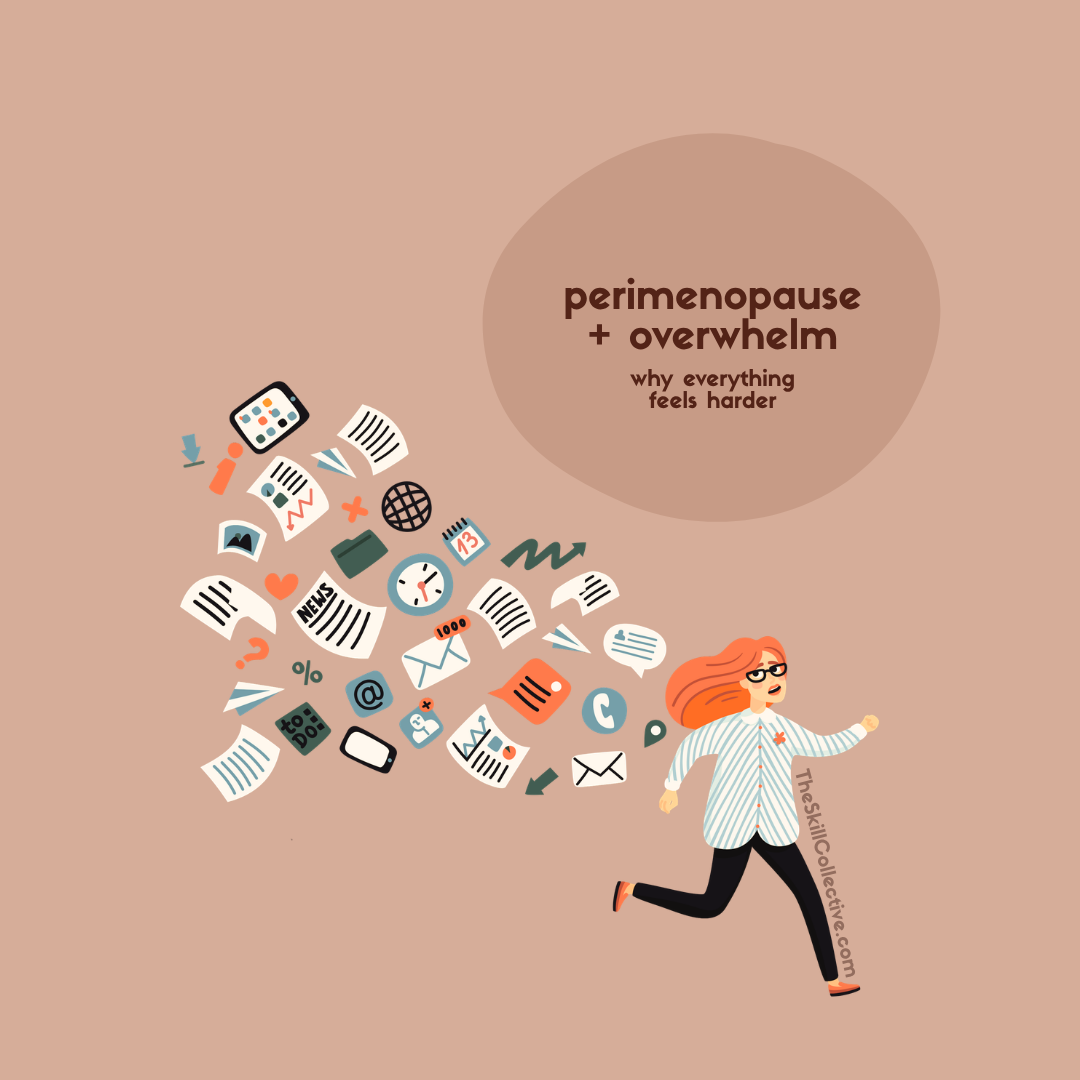
Feeling overwhelmed during perimenopause is incredibly common. Hormonal changes can affect mood, sleep, memory, concentration and stress tolerance, but they're only part of the picture. Perimenopause often coincides with one of the busiest stages of life, when women are balancing work, parenting, relationships, as well as the invisible mental load of running a household. It's the combination of changing biology and ongoing life demands that leaves many women feeling unlike themselves.
in short…
Perimenopause can affect emotional wellbeing because hormonal changes influence mood, sleep, and cognition at a time when many women are also managing significant work and personal responsibilities including a high mental load. Therapy can help you understand what is happening, reduce distress, and develop practical strategies for navigating this stage.
If you've been wondering, "Why can't I cope like I used to?"
If you've found yourself asking:
Why do I feel so overwhelmed all the time?
Why am I suddenly forgetting everything?
Why do I feel unlike myself?
Why does everything seem harder than it used to?
…you're not alone.
Many women describe perimenopause as the point where life suddenly becomes more challenging —not simply due to hormonal changes, but because those changes often arrive during one of the busiest and most demanding stages of adulthood.
By the time perimenopause begins, many women are balancing careers, raising children, supporting ageing parents, managing households, and carrying the invisible mental load that keeps everyday life running.
When your internal capacity changes but your external demands don't, it's understandable that life can begin to feel overwhelming.
When life keeps demanding more
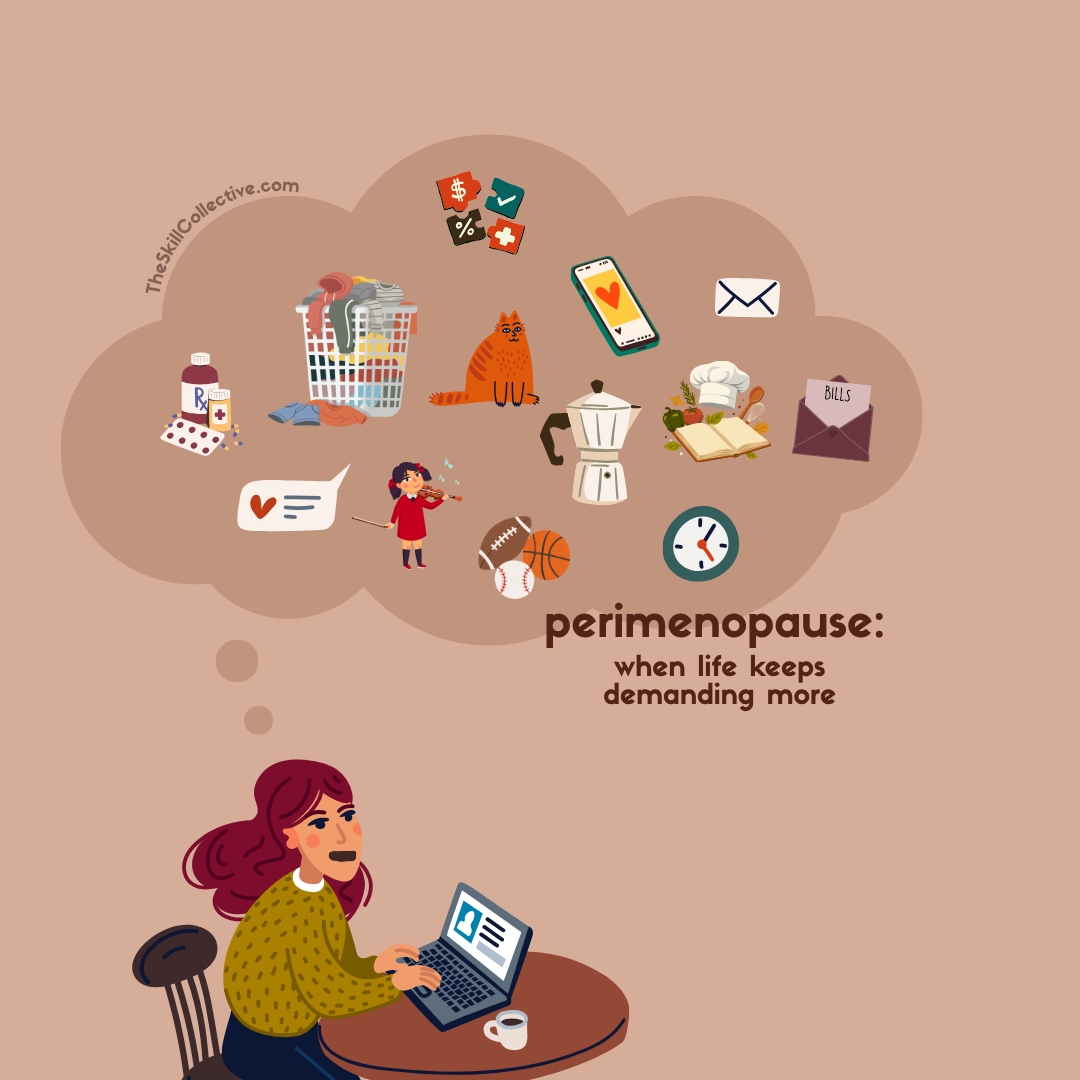
It’s Saturday morning.
There are meals to plan, washing still sitting in the basket, sports uniforms to find, and a mental checklist running quietly in the background of everything that needs to happen before Monday arrives.
You’re coordinating schedules, responding to messages, remembering appointments, organising the household, and keeping track of the many small details that help life run smoothly.
And somewhere between that weekend’s commitments, grocery shopping, washing, meal planning and replying to messages, you realise you're running on empty.
Not simply tired, but actually depleted.
You find yourself more reactive than you used to be. Small things feel harder than they used to. You lose your train of thought mid-conversation, struggle to stay focused, or find yourself searching for words that used to come easily.
At night, you lie awake despite being exhausted, your mind still processing the day while your body is asking for rest.
From the outside, you may still look like you’re managing. You’re showing up, getting things done, and continuing to meet expectations. But internally, it feels like the effort required to do everything has increased.
And quietly you wonder: "What is happening to me?"
why everything feels harder during perimenopause
The thing is, perimenopause changes often occur during a stage of life where demands are already high. Careers may be at their peak, and you may even be managing people and projects. Children may still need significant support. Parents may be starting to require care. Relationships, work responsibilities, and the invisible mental load of keeping everyday life running continue. It’s understandable that managing everything may suddenly require more effort.
This does not mean you have become less capable or less resilient. Rather, hormonal changes during perimenopause can affect sleep, mood, concentration, memory, and emotional regulation — reducing your available capacity at a time when life demands may already be high.
The key takeaway? Perimenopause is not just a biological transition — it is a transition that occurs within the context of your whole life.
Why do I feel like I can’t cope during perimenopause?
Many women worry that they have lost their resilience. They may wonder why they are struggling with things they previously handled with ease. But perimenopause does not mean you have become less capable — it may mean your capacity has shifted while your responsibilities have stayed the same (or even increased!).
They may find themselves thinking:
"I used to manage all of this."
"Why can't I get my act together?"
"What is wrong with me?"
For many women, these questions can be accompanied by frustration, guilt, or even shame — particularly if they have always been someone others could rely on, or someone who prided themselves on being capable and organised. It’s in these moments where recognising the difference between capability and capacity can be deeply relieving. It allows women to move away from self-criticism and towards understanding what is changing, what they need, and how they can adapt through this transition.
Can perimenopause affect your mental health?
Perimenopause can affect emotional wellbeing in ways that extend beyond physical symptoms.
Women may experience increased vulnerability to anxiety, depression, emotional distress, and sleep difficulties during the menopausal transition, particularly when combined with previous mental health challenges or significant life stressors. There may also be a period of mourning or loss as perimenopause signals a shift in loss of youth and fertility - identity comes into sharp focus alongside this. Hormonal fluctuations can influence brain systems involved in mood regulation, while disrupted sleep and ongoing stress can further affect emotional resilience and stress tolerance.
For many women, these changes may show up as feeling more emotionally reactive, more easily overwhelmed, less confident, or less able to manage situations that previously felt within their capacity. You may find yourself worrying more, feeling more sensitive to stress, or questioning why things that once felt manageable now require so much more effort.
The changes can be confusing, particularly for women who have spent much of their lives being capable, dependable, and able to manage a high load. It is common to interpret these experiences as a personal failing, when in reality they may reflect the interaction between biological changes, life circumstances, and reduced emotional capacity.
Why do past experiences feel more intense during perimenopause?
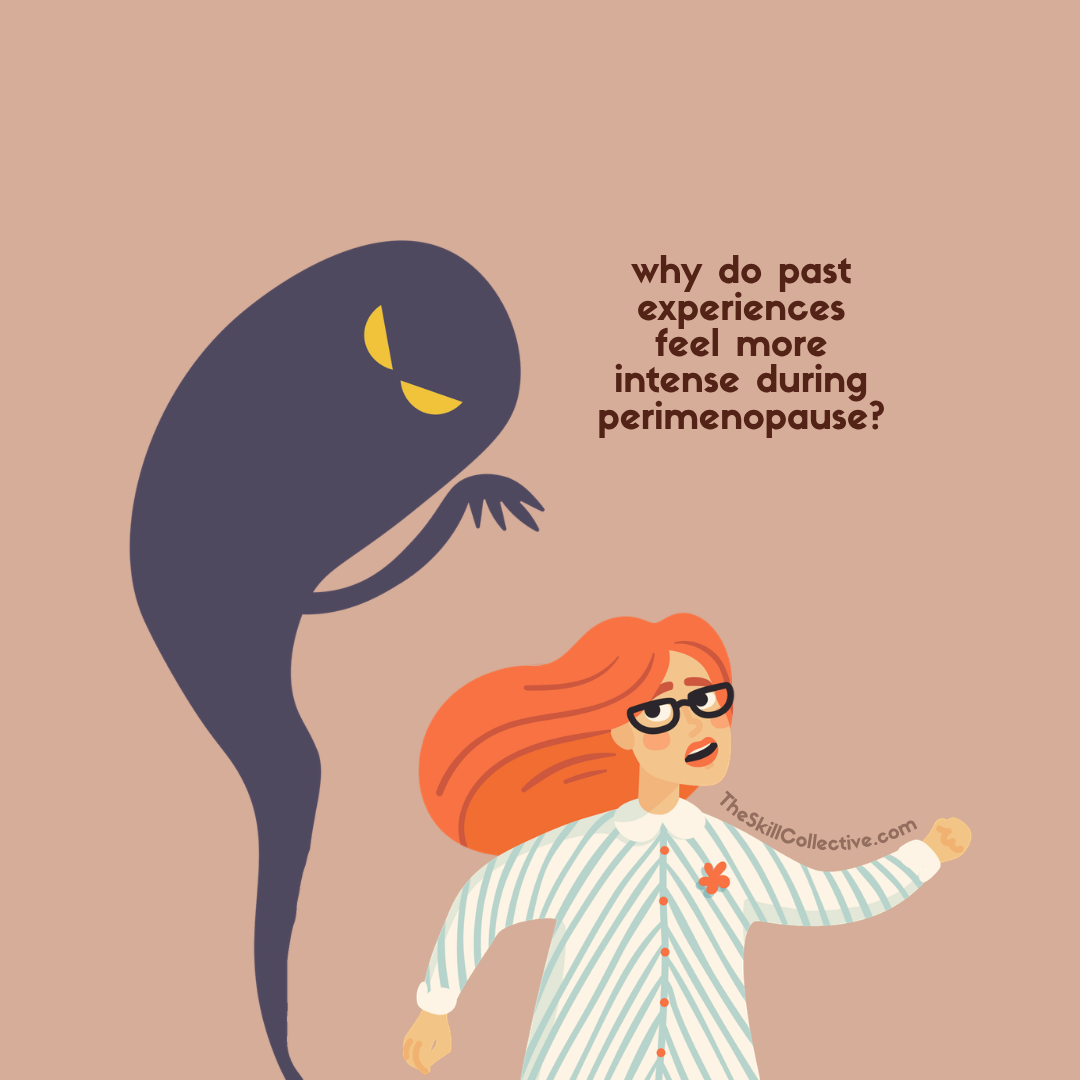
One aspect of perimenopause that receives less attention is that changes in emotional capacity may mean that previously manageable experiences feel much closer to the surface.
When sleep is disrupted and stress levels increase, unresolved grief, past experiences of trauma, or longstanding emotional patterns may become more noticeable. Some women find that past experiences they had previously been able to manage begin to affect mood, relationships, confidence, or sense of safety in ways they did not expect.
Where past experiences continue to contribute to present distress, Eye Movement Desensitisation and Reprocessing (EMDR) therapy may be helpful. EMDR does not treat hormonal changes themselves, but instead helps the brain process distressing memories so they become less emotionally activating in the present. For some women, this can reduce the emotional load they carry during an already demanding period of life.
Perimenopause can also become a turning point
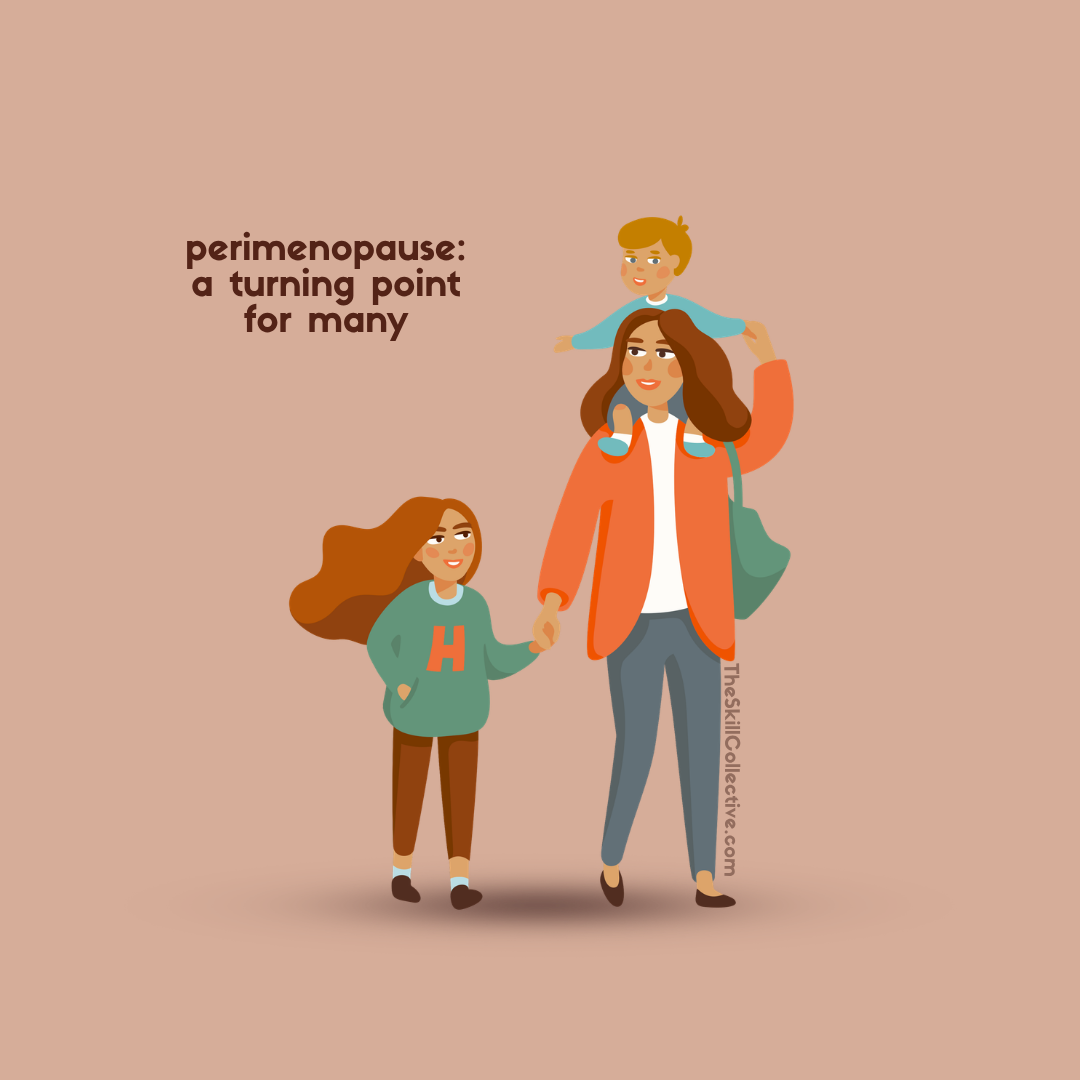
Many women describe perimenopause as challenging, but also as a time of unexpected reflection and change.
For years, you may have been the person who kept everything moving. The one who remembered, organised, achieved, supported others, and found a way to cope — even when life was demanding.
Perimenopause can be the point where continuing in the same way begins to feel less sustainable - Not because you are failing; not because you are no longer capable; but because your needs, priorities, and capacity may be changing.
This stage of life can create space for important questions:
"What is sustainable for me now?"
"What do I need?"
"What am I ready to stop carrying?"
There may be grief in recognising that some old ways of coping no longer serve you. There may be sadness in acknowledging how much you have carried, or how long you have pushed through without support. But there can also be clarity.
For many women, perimenopause becomes less about losing who they were and more about reconnecting with themselves — creating a life that better reflects who they are now, rather than who they have always needed to be.
Psychological support can provide a space to understand these changes, process what is coming up, and develop new ways of responding to this stage of life.
Can therapy help during perimenopause?
Although psychology cannot change hormonal fluctuations, therapy can help change how you understand and navigate this transition.
Therapy is not about “fixing” perimenopause or changing who you are. It is about creating space to understand what is happening, reconnect with yourself, and develop ways of coping that reflect your current needs, values, and circumstances.
Evidence supports Cognitive Behavioural Therapy (CBT) for reducing menopausal distress, improving sleep, and helping women develop more helpful ways of responding to difficult thoughts and emotions. Other approaches, including Acceptance and Commitment Therapy (ACT) and mindfulness-based strategies, can support stress management, psychological flexibility, and reconnecting with what matters most during this stage of life.
For many women, therapy provides an opportunity to make sense of the changes they are experiencing — not only biologically, but emotionally, psychologically, and in the way they relate to themselves and others.
in summary…
Perimenopause can affect much more than physical health. Hormonal changes can influence mood, sleep, memory, concentration and emotional wellbeing at the same time many women are managing significant work, family and caregiving responsibilities. Feeling overwhelmed or unlike yourself during this stage does not mean you are failing to cope. For many women, understanding what is happening and accessing appropriate support can make this transition feel more manageable (see below in our Tailored Support section).
Note: This article is intended for general education and is not a substitute for personalised medical advice. If you find that your difficulties are persistent, severe, or affect your health or safety, speak with your GP or another qualified healthcare professional.
Frequently Asked Questions about perimenopause
-
Perimenopause can affect emotional wellbeing as hormonal fluctuations influence brain systems involved in mood, sleep, memory, concentration and stress regulation.
This transition often occurs during one of the busiest stages of life for women - there may be increased responsibilities at work, caring for children and parents, maintaining friendships and relationships, as well all of the life admin responsibilities.
Together, these biological and life changes can increase vulnerability to anxiety, low mood, emotional distress and feeling overwhelmed.
-
It is often more helpful to think of the challenges you experience during perimenopause as a shift in capacity rather than capability.
Hormonal changes can affect sleep, concentration, emotional regulation and stress tolerance at a time when the demands of life remain high.
Feeling like you're struggling does not necessarily mean you are less resilient—it may mean you're carrying the same responsibilities (or even more!) with fewer internal resources available.
-
You may feel different during perimenopause because of physical changes, role shifts (increased responsibilities), as well as a reduced capacity to cope with all that you have been holding.
Perimenopause is also a time when identity shifts - it marks a new stage in life and even grief and loss when mourning youth and fertility.
Understanding what is happening and finding ways to move towards a ‘new normal’ can help you to feel more like yourself again. If it all seems like a lot to navigate, you can reach out to a psychologist to help you along this journey.
-
For some women this may be the case. When sleep is disrupted and emotional capacity is reduced, unresolved grief, past trauma or longstanding emotional patterns may become more noticeable. This does not happen to everyone, but it can make previously manageable experiences feel closer to the surface.
Where past experiences continue to contribute to current distress, psychological therapies such as EMDR may be helpful.
-
Perimenopause is a time of significant change and adjustment - changes to your body, changes to your responsibilities and mental load, and which impact on identity and relationships.
Women seek therapy during this stage because they feel like unlike themselves - overwhelmed, emotionally exhausted, or just not coping.
Therapy can provide practical strategies, emotional support, and a space to make sense of these changes.
Tailored support
If you find you need additional tailored support to navigate the transition through perimenopause why not reach out to us? Our team of psychologists can help you build a plan. Below are some of our psychologists who help with perimenopause.






References
Australasian Menopause Society. (2023). Perimenopause and menopause. https://www.menopause.org.au
Baker, F. C., Lampio, L., Saaresranta, T., & Polo-Kantola, P. (2018). Sleep and Sleep Disorders in the Menopausal Transition. Sleep medicine clinics, 13(3), 443–456. https://doi.org/10.1016/j.jsmc.2018.04.011
de Salis, I., Owen-Smith, A., Donovan, J. L., & Lawlor, D. A. (2018). Experiencing menopause in the UK: Experiencing menopause in the UK: The interrelated narratives of normality, distress, and transformation, Journal of Women & Aging, https://doi.org/10.1080/08952841.2018.1396783
Maki, P. M., Kornstein, S. G., Joffe, H., Bromberger, J. T., Freeman, E. W., Athappilly, G., Bobo, W. V., Rubin, L. H., Koleva, H. K., Cohen, L. S., & Soares, C. N. (2019). Guidelines for the Evaluation and Treatment of Perimenopausal Depression: Summary and Recommendations. Journal of women's health (2002), 28(2), 117–134. https://doi.org/10.1089/jwh.2018.27099.mensocrec
North American Menopause Society. (2023). The 2023 nonhormone therapy position statement of The North American Menopause Society. Menopause (New York, N.Y.), 30(6), 573–590. https://doi.org/10.1097/GME.0000000000002200
North American Menopause Society. (2023). The 2023 nonhormone therapy position statement of The North American Menopause Society. Menopause, 30(6), 573–590. https://doi.org/10.1097/GME.0000000000002201
Rukure, H., & Husted, M. (2026). Cognitive behavioural therapy for menopausal symptoms: A systematic review of efficacy in improving quality of life. BMC Women's Health, 26, Article 58. https://doi.org/10.1186/s12905-025-04142-y
Kim, J. H., & Yu, H. J. (2024). The Effectiveness of Cognitive Behavioural Therapy on Depression and Sleep Problems for Climacteric Women: A Systematic Review and Meta-Analysis. Journal of clinical medicine, 13(2), 412. https://doi.org/10.3390/jcm13020412
Shapiro, F. (2018). Eye movement desensitization and reprocessing (EMDR) therapy: Basic principles, protocols, and procedures (3rd ed.). Guilford Press.
Weber, M. T., Maki, P. M., & McDermott, M. P. (2014). Cognition and mood in perimenopause: A systematic review and meta-analysis. Journal of Steroid Biochemistry and Molecular Biology, 142, 90–98. https://doi.org/10.1016/j.jsbmb.2013.06.001
Zhang, Y., Chen, Y., Li, X., & Wang, Y. (2024). The effectiveness of cognitive behavioural therapy on depression and sleep problems for climacteric women: A systematic review and meta-analysis. BMC Psychiatry, 24, Article 65. https://doi.org/10.1186/s12888-024-05521-5
Perimenopause - or the period of transition into menopause - can be a time of great upheaval when it comes to the physical, mental, and social aspects of life.